
The Benefits of Natural Dewormers: Safe Alternatives to Conventional Options
4/2/20266 min read


Exploring Natural Deworming Options
Natural dewormers have gained attention among pet owners seeking safer alternatives to conventional options. Several effective natural remedies are available that can help manage intestinal parasites in pets. Below, we explore some of the most popular options.
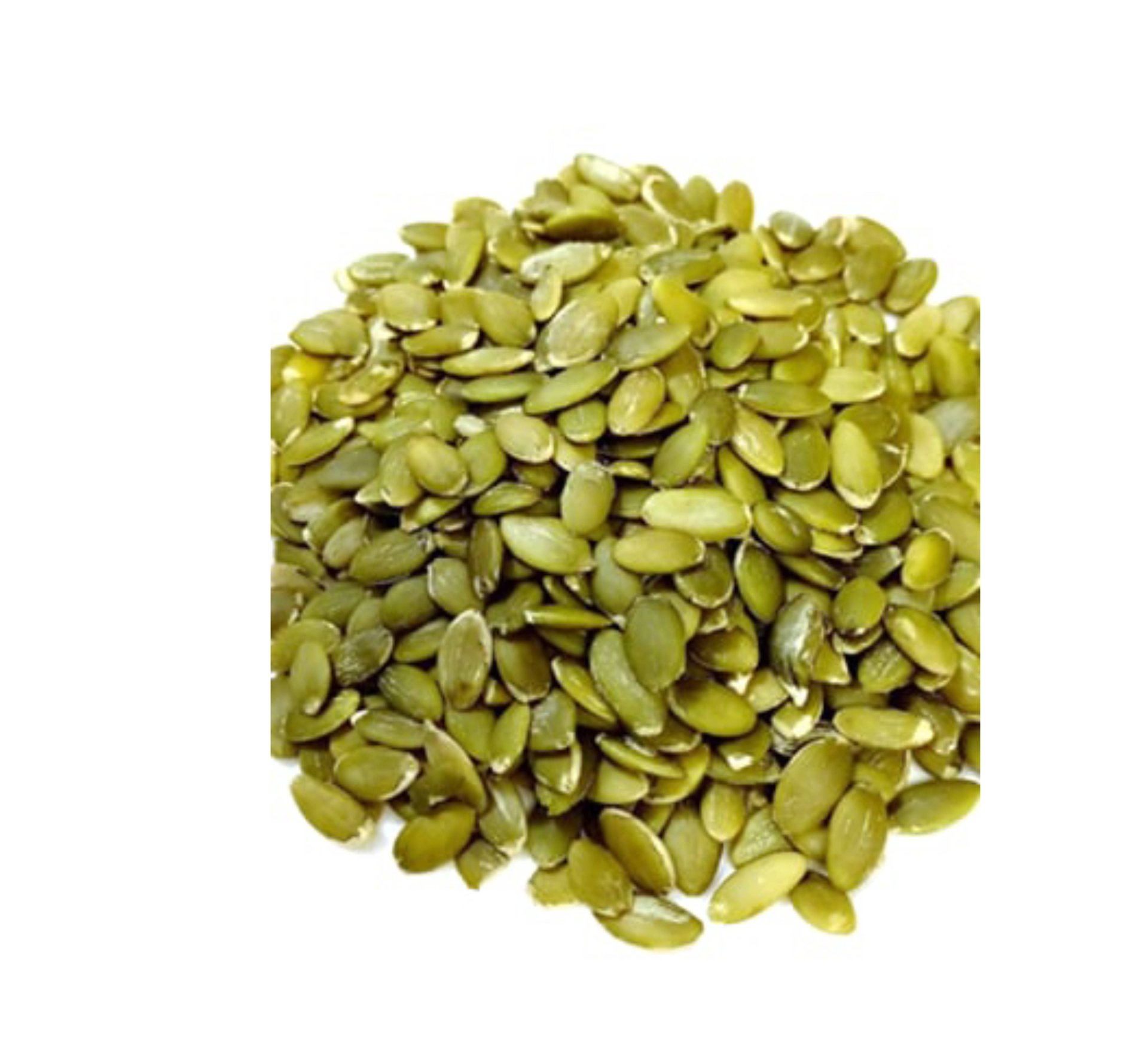
Ground Pumpkin Seeds
These seeds contain cucurbitacin, which is known to paralyze worms, making them easier to eliminate. To use, grind the seeds and sprinkle them over your pet's food at a ratio of approximately one teaspoon per ten pounds of body weight.


This post may contain affiliate links, which means I might earn a small commission (at no extra cost to you) if you decide to make a purchase through one of these links. I only recommend products I actually use or genuinely believe will bring value. Thanks for the support!


How to Incorporate Natural Dewormers into Your Pet's Diet
Integrating natural dewormers into your pet's diet can be a beneficial and effective approach to parasite management. The first step is to choose the right natural dewormer that suits your pet’s specific needs. Some widely recommended natural options include diatomaceous earth, pumpkin seeds, and herbs like thyme and Parsley.
When mixing natural dewormers with your pet’s food, start with a small quantity to ensure they accept the taste easily. For example, if you are using pumpkin seeds, consider grinding them into a powder and sprinkling them over your pet’s regular meal. This method not only masks the flavor but also encourages adherence to the new regimen.
Moreover, it's crucial to monitor your pet's health during the use of natural dewormers. Look for any changes in their appetite, energy levels, or digestive function. Regular monitoring after the incorporation of these products is vital, especially during the initial phase, to ensure your pet is responding positively. In addition, professionals often suggest keeping a log of your pet’s health indicators to track progress over time.
Before starting any new dietary regimen, including natural dewormers, it is important to consult with a holistic veterinarian. They can provide personalized recommendations based on your pet’s individual health profile and ensure that the natural dewormers will not interfere with any existing treatments. This precaution will help safeguard your pet’s health while benefiting from the natural remedies available.
Health Benefits of Using Natural Dewormers
Natural dewormers offer numerous health benefits that can significantly enhance the overall well-being of pets. One of the most notable advantages is the positive impact these dewormers have on the immune system. Unlike many conventional options that may contain harsh chemicals, natural dewormers leverage plant-based ingredients, promoting a healthier immune response. By strengthening the pet's immune system, natural dewormers empower the body to combat parasites effectively, contributing to a more resilient overall health profile.
Furthermore, the use of natural dewormers promotes better gut health. These deworming alternatives often contain ingredients such as pumpkin seeds, garlic, and diatomaceous earth, which are known to support digestive function. A balanced gut is crucial for nutrient absorption and can also prevent various gastrointestinal issues, such as bloating and diarrhea. When the gut is healthy, it creates an environment that is less favorable for parasites and promotes the growth of beneficial bacteria, which can lead to improved energy levels and vitality in pets.
Another critical factor to consider is the reduced chemical exposure for pets. Many conventional dewormers are loaded with synthetic chemicals that can lead to side effects and long-term health concerns. With natural dewormers, pet owners can minimize their animal's exposure to these potentially harmful substances, promoting a more holistic approach to pet care. This reduction in chemical exposure not only enhances the safety of the deworming process but also aligns with the growing trend of seeking more natural solutions in pet health management.
Ultimately, the incorporation of natural dewormers contributes to a healthier, happier life for pets. These benefits, ranging from enhanced immune function to improved gut health and reduced chemical exposure, make natural dewormers an increasingly preferred option among conscientious pet owners.
Caution: Oregon grape is generally NOT considered safe for pregnant or lactating dogs, nor is it recommended for dogs with pre-existing liver disease
Oregon Grape
Oregon grape is considered an antimicrobial agent, a liver tonic, and a natural option for addressing internal parasites in dogs. When using Oregon grape, it is often suggested to provide liver support, such as milk thistle, to help protect the liver.
Recommended Dose is 12 drops of Oregano grape Tincture per 20lbs of weight.
Recomended dose is 1/4 tsp of Milk Thistle Tincture per 20lbs of weight.
Understanding Dewormers: The Need for Natural Alternatives
Dewormers are medications or substances used to eliminate parasitic worms from the bodies of pets and livestock. These parasites can cause a range of health issues, including weight loss, anemia, diarrhea, and compromised immune function. Infestations may lead to significant discomfort and potentially serious health problems for animals, making the use of effective deworming solutions essential for animal welfare.
Conventional dewormers, while effective at eradicating worms, often carry the risk of side effects and toxicity. Many commercial deworming products contain chemical ingredients that, although they target parasites, can also affect the health of the host animals. The potential for adverse reactions, including gastrointestinal distress and allergic responses, raises concerns among pet owners and livestock farmers. As the awareness of these risks has grown, so too has the interest in natural alternatives.
Natural dewormers offer a promising solution by leveraging herbal remedies and other non-toxic substances to combat worm infestations. Such alternatives are believed to be safer for animals, with fewer side effects compared to their conventional counterparts. Ingredients often used as natural dewormers include pumpkin seeds, diatomaceous earth, garlic, and apple cider vinegar, which have been used historically for their parasiticidal properties. These options not only promise a reduction in toxicity but also minimize the chances of developing resistance, a common concern with repeated use of chemical dewormers.
Thus, the increasing need for safer, effective alternatives has led to a growing trend in the use of natural dewormers. Understanding the potential drawbacks of conventional options paves the way for a more informed approach to animal health management, ultimately benefiting both the animals and their guardians.
Garlic
In small doses, for dogs older than one year, garlic can repel parasites. However, caution is necessary, as excessive amounts can be toxic to pets. Using raw organic garlic, chop or crush and let stand for 15 minutes before feeding it to your dog. This process activates the beneficial compounds needed to eliminate the parasites.
You can then administer the following dose to your dog by mixing it into their food.
Small dogs– up to ¼ clove twice a day
Medium dogs – up to ½ clove twice a day
Large dogs – up to ¾ clove twice a day
Giant breeds – up to 1 clove twice a day
Avoid using garlic as a worm remedy for pregnant or lactating dogs, or if your dog is on blood thinners.
Thyme and Parsley
These herbs possess natural antibacterial and antiparasitic properties. They can be offered as fresh or dried herbs in meals, providing both flavor and health benefits. Add 1 tsp per pound of food.
Bone Broth
A nutritious approach to deworming, bone broth supports overall gut health. Its gelatin content soothes the digestive tract, making it easier for the body to expel worms naturally.
Chamomile
This herb can help reduce inflammation and aid digestion, thereby contributing to a healthier gut environment. Brew chamomile tea and add it to your pet's water or food.
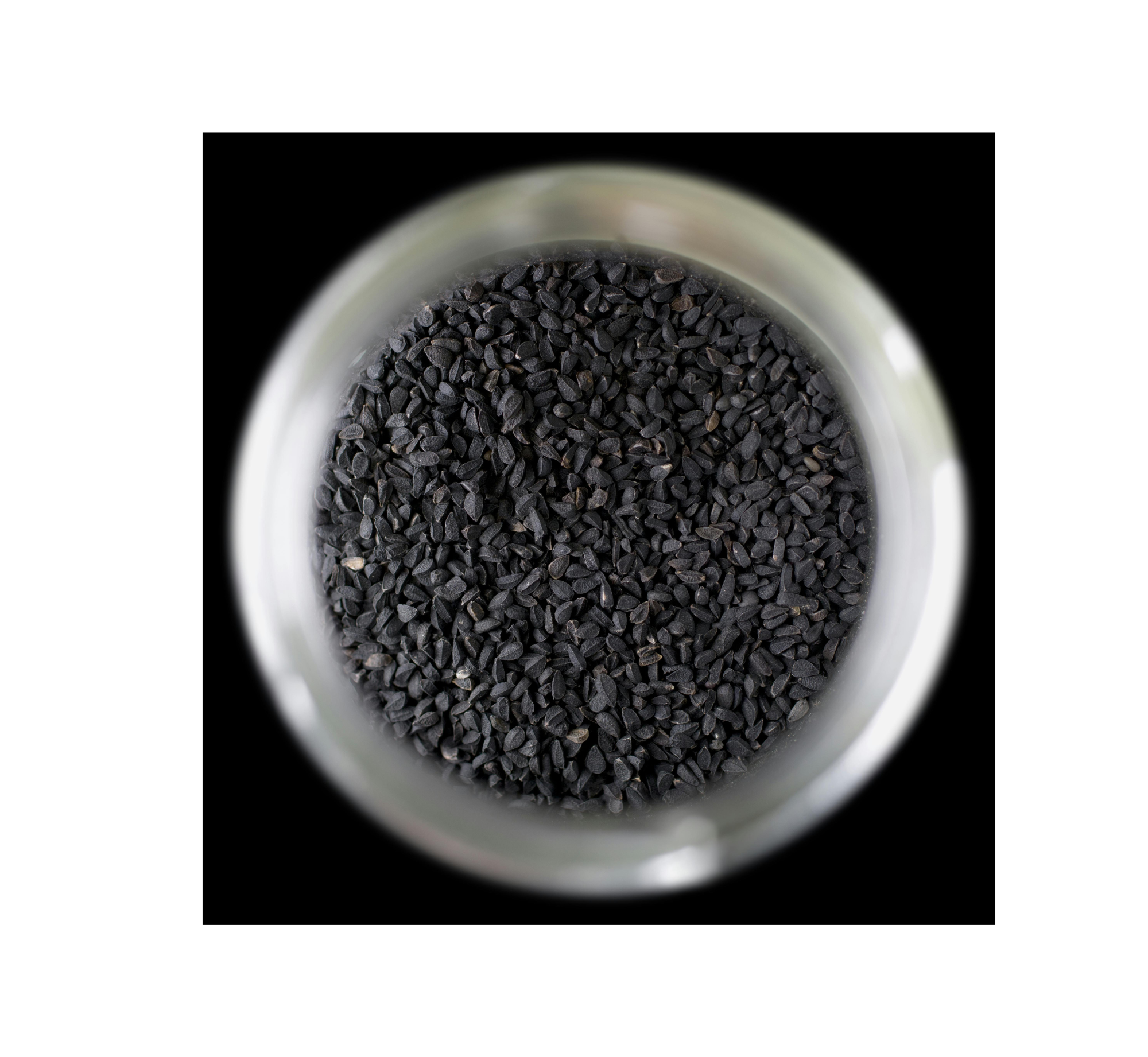
Black Cumin Seed
Featuring strong anti-parasitic properties, black cumin seed can help fend off worms. Administer as a powder in meals, with a recommended dosage of 1/8 teaspoon for small pets, and increase based on your pet's size up to one tsp for large Dogs.
Apple Cider Vinegar
Known for its antimicrobial properties, apple cider vinegar can create an unfavorable environment for parasites in the gut. Mixing a small amount with your pet's food or water can aid in deworming. A tablespoon per day is typically recommended for dogs, while smaller amounts suit cats.
Diatomaceous Earth (DE)
Food-grade diatomaceous earth is abrasive to parasites and can help eliminate them from the digestive system. Introduce DE gradually into your pet’s diet, starting with a pinch and working up to one teaspoon for dogs and half for cats, mixed with their food. See full blog post on Diatomaceous Earth.
Quality Standard Bernedoodles raised with care for families.
Contact
fur-real@lakelandbernedoodles.ca
780-545-4140
© 2025. All rights reserved.