
Exploring The Different Types of Dog Bowl Options
Discover the different types of dish dishes and which materials are the best to go with and what style best suites your dog.
5/8/20244 min read
Choosing The Right Material of Dog Dish
When choosing the right dog dishes, it's essential to consider the materials they are made from, as this can significantly impact your pet's health. Here are the various types of materials for dog dishes and the safest options to use, ensuring that they don’t harbor harmful bacterial growth:
1. Glass: Glass dog dishes are non-porous and easy to clean. They do not absorb odors or bacteria, making them a hygienic option. They are also durable and can be dishwasher safe, which adds to their convenience.
2. Ceramic: Similar to glass, ceramic dishes do not retain bacteria and come in various designs and colors. Make sure to choose lead-free ceramics, as some ceramics can contain harmful materials. Regularly check for cracks, as they may harbor bacteria.
3. Plastic: While plastic dishes are lightweight and inexpensive, they can scratch easily, which may trap bacteria. If choosing plastic, opt for high-quality, BPA-free options, and consider replacing them regularly to minimize bacterial growth.
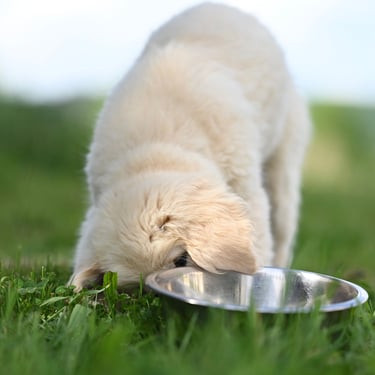
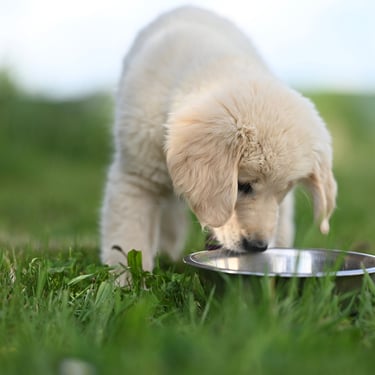
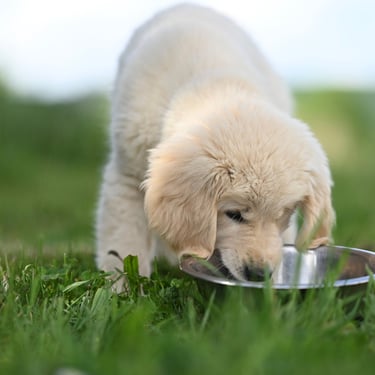
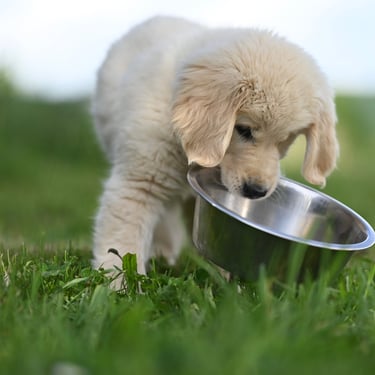
4. Stainless Steel: This is one of the safest materials for dog dishes. Stainless steel is sturdy, easy to clean, and does not retain odors or bacteria. It is often recommended by veterinarians due to its durability and resistance to rust.


In conclusion, selecting the right material for your dog’s dishes is crucial for maintaining their health. Glass, ceramic, and stainless steel are the best options, while plastic can be used with caution. Additionally, consider the shape and style of the dishes; raised dishes can be beneficial for larger breeds, while shallow bowls may be more suitable for flat-faced dogs. Always prioritize hygiene by cleaning your dog dishes regularly to prevent bacterial growth.
7.Tilted Bowls
Bowls designed at a slight angle to facilitate pets reaching their food, especially beneficial for flat-faced breeds.
Pros: Assists brachycephalic breeds (Pugs, French Bulldogs) to eat comfortably; reduces neck strain.
Cons: Limits quantity of food; generally practical only for small dogs.
8. Automatic Feeders (Timmed/Gravity)
These bowls come with a container that fills the bowl automatically or dispenses food at specified times.
Pros: Guarantees fresh food/water is continuously available; assists with feeding schedules.
Cons: Difficult to monitor precise food intake; may encourage overeating; can be accessed by clever dogs.
9.Lick/Snuffle Mats
While not a conventional "bowl", these mats with textures are intended for feeding wet foods or raw diets.
Pros: Encourages calmness through licking; slows down eating; provides mental stimulation.
Cons: Challenging to clean; impractical for dry kibble..
Exploring The Different Types or Dod Food Bowls
When choosing the right style dog dish for your furry friend, there are several options to consider. Selecting the appropriate dog food bowl is influenced by your dog's eating habits, size, and character, in addition to your own standards for cleanliness and durability. Common materials, as discussed above, include stainless steel, ceramic, plastic, and silicone, along with specially designed options that aim to enhance health and comfort.
Below is an overview of the various types of dog food bowls, outlining their advantages and disadvantages.
1.Standard Dog Bowls
The traditional round bowl with a flat base, available in numerous materials.
Pros: Affordable, widely accessible, easy to clean.
Cons: May not cater to specific requirements such as quick eaters; can move around if not equipped with a rubber bottom.
2. Slow Feeder Bowls (Puzzle Bowls)
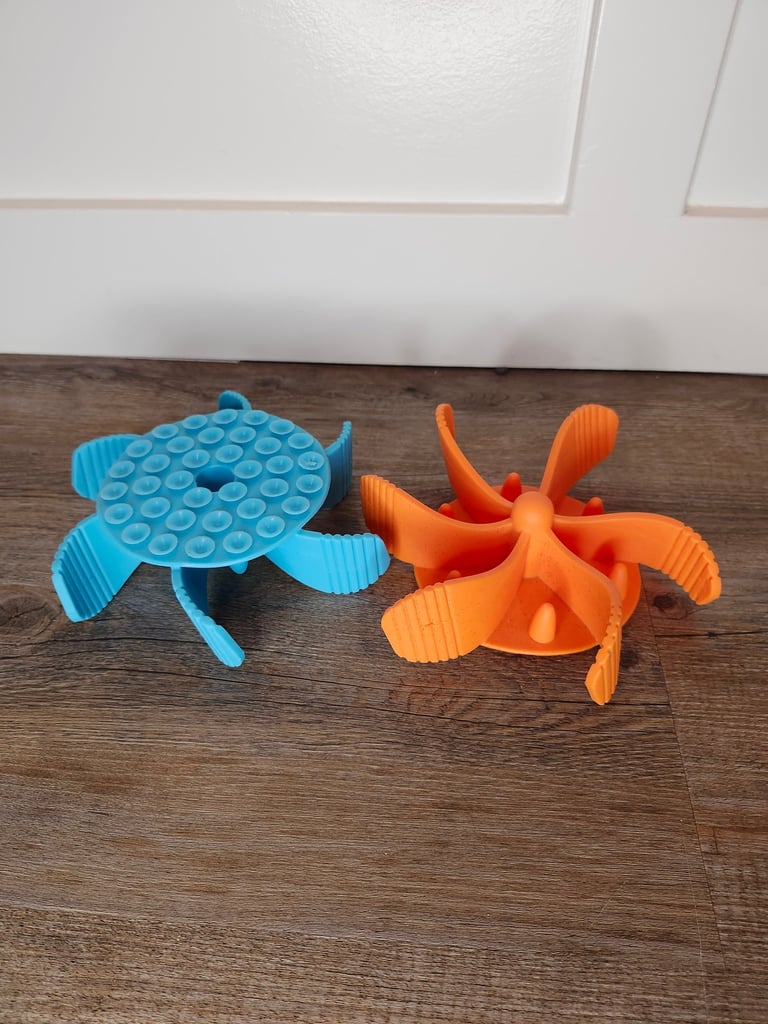
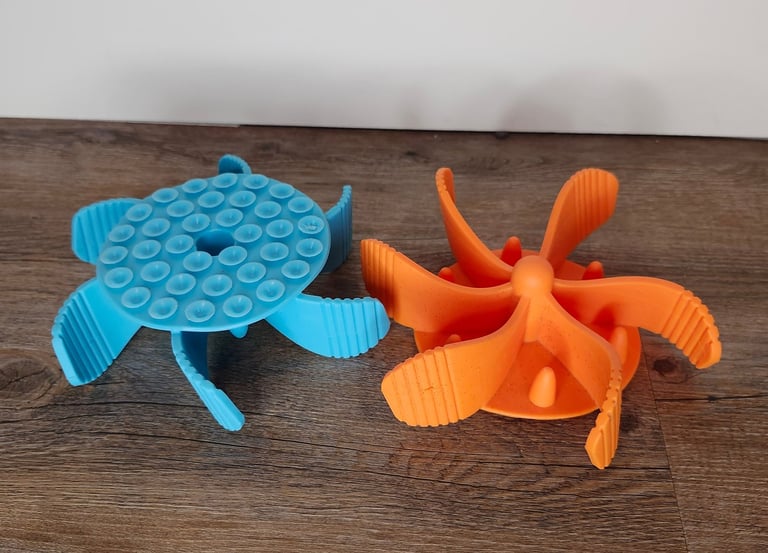
Designed with raised patterns or obstacles, these bowls require dogs to navigate around barriers, slowing down their eating. Can be purchased as one unit with built in raised patterns and obstacles or can purchase inserts that suction to a regular dog bowl.
Pros: Ideal for fast eaters; minimizes risk of choking, vomiting, and bloating (Gastric torsion); encourages mental engagement.
Cons: More challenging to clean in the crevices; may not be appropriate for certain wet food diets.
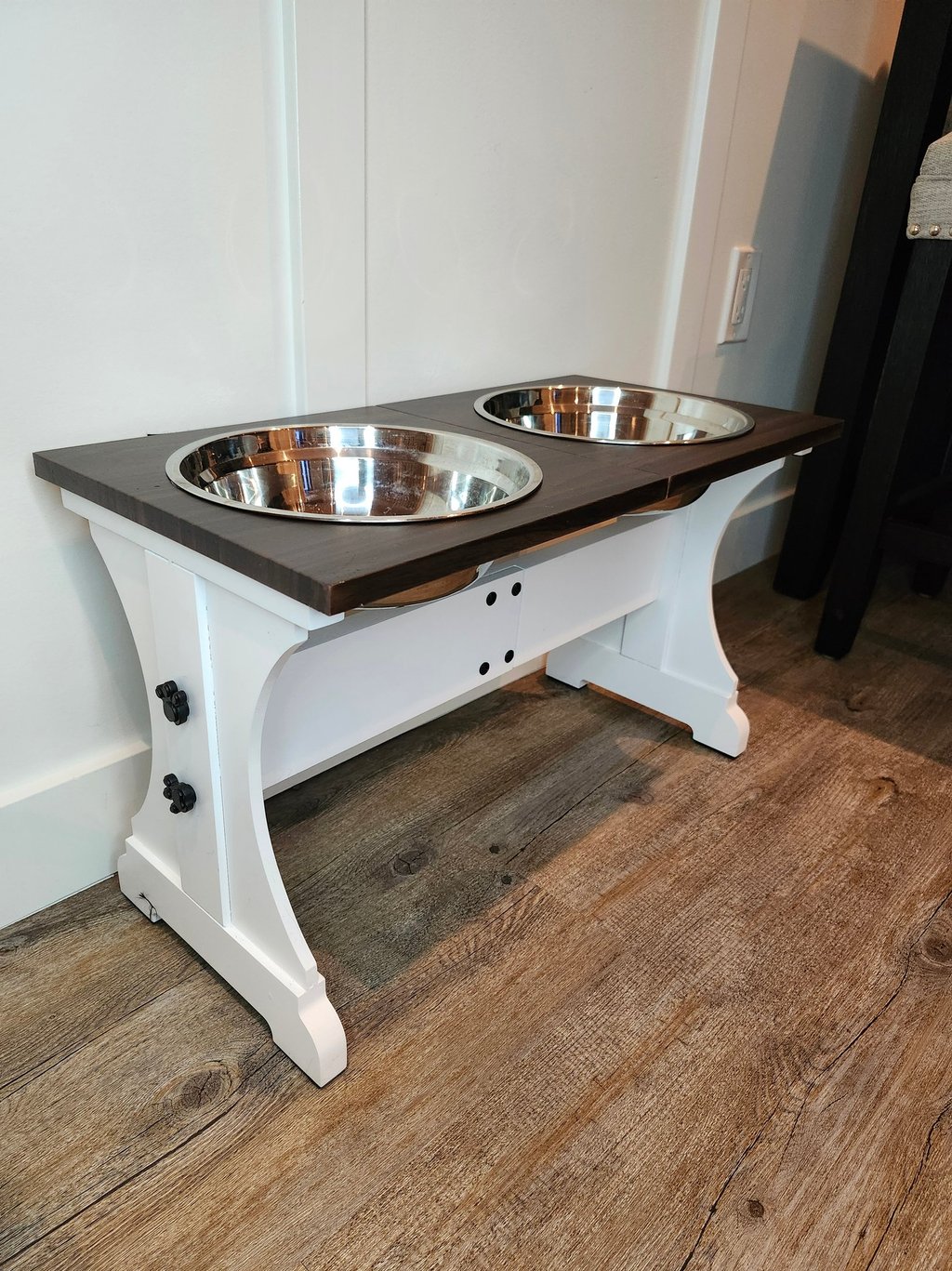
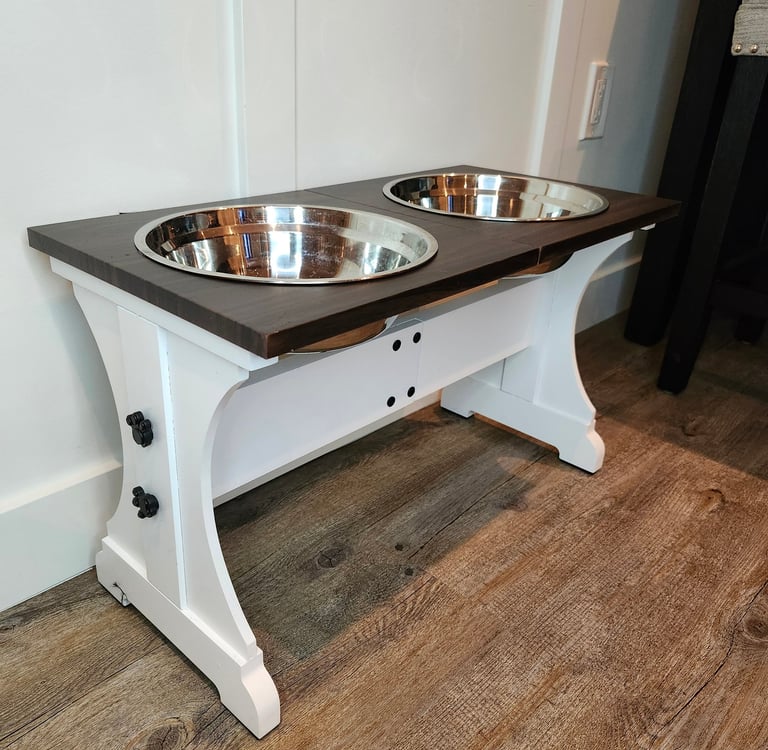
3.Elevated Dog Bowls
Bowls Elevated on a stand or frame, bringing food closer to the dog's mouth.
Pros: Lessens neck and join strain for older, arthritic; or large dogs; enhances posture; allowing a more comfortable position while eating, may help with swallowing.
Cons: Higher cost; potential to tip over if unstable; sometimes questioned for potentially increasing bloat risk in certain dogs (though this is contentious).
4. Travel and Collapsible Bowls
Lightweight and flexible, typically made from silicone, designed to collapse flat.
Pros: Highly Portable; perfect for hiking, road trips, and outdoor activities.
Cons: Not as durable for everyday use; can be easily chewed by puppies.
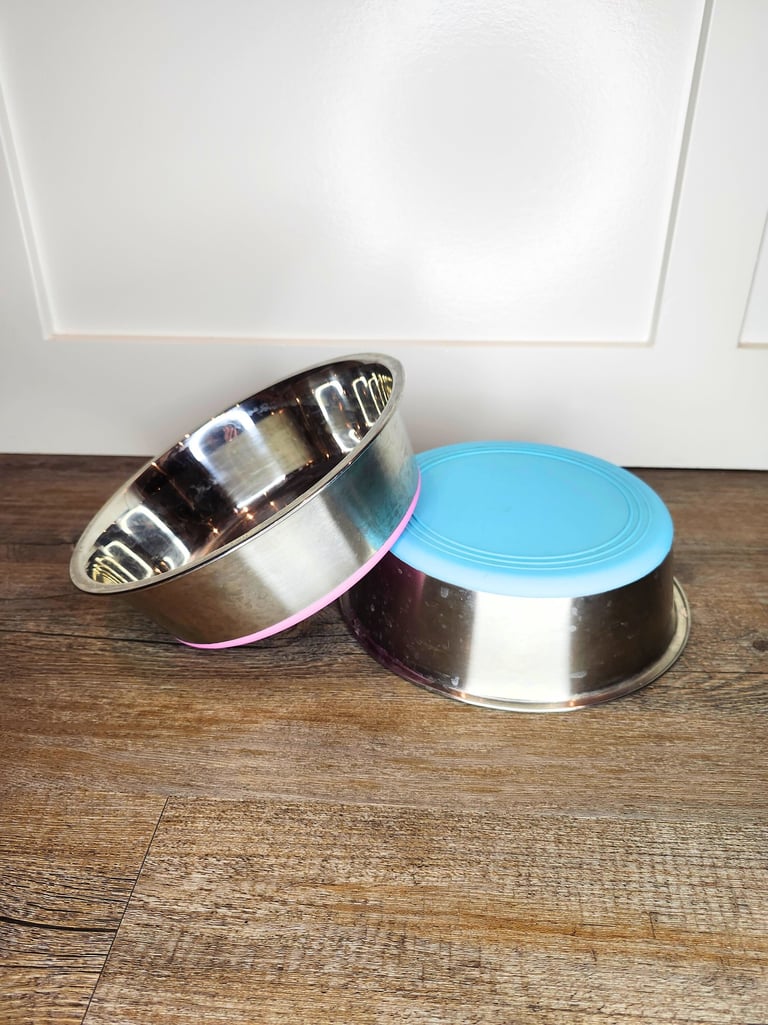
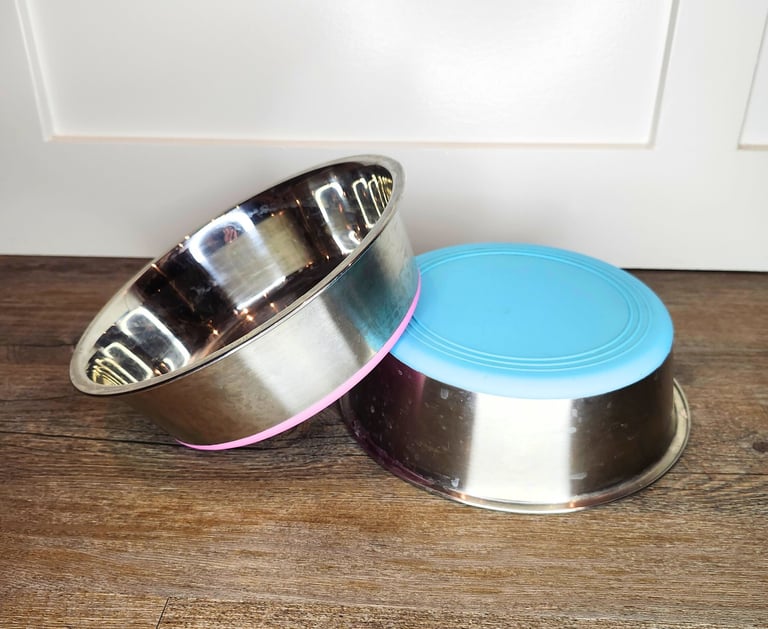
6. Anti-Skid / Non-Slip Bowls
Bowls that feature a rubberized base or ring to stop them from sliding.
Pros: Great for enthusiastic eaters who push their food around; helps keep the floors clean and quiet.
Cons: Rubber rings can sometimes detach or grow mold if not properly cleaned.
"As an Amazon Associate I earn from qualifying purchases".
"As an Amazon Associate I earn from qualifying purchases".
"As an Amazon Associate I earn from qualifying purchases".
5. Raised Edged Dog Food Bowl
Raised sides on a dog food dish can be beneficial for messy eaters or drinkers.
Pros: Contains the mess keeping your floors and walls cleaner.
Cons: Can make cleaning more difficult as it's too big to to fit in the sink.
Quality Standard Bernedoodles raised with care for families.
Contact
fur-real@lakelandbernedoodles.ca
780-545-4140
© 2025. All rights reserved.